

Take your SME from local to visible with a strategic website
Does your SME need to explain its services and receive useful enquiries? Qreative plans a website around your customers’ questions: services, completed work, operating area and contacts. We prepare pages with the people available in your team and agree who supplies and approves content. Forms, connected tools and support after launch are scoped around your uses and the agreed quote.





An SME website should help a customer understand your services and prepare an enquiry. We start with your activity and information your team already shares: operating area, completed work, common questions and contact arrangements. These elements guide pages, their order and links between related topics. Organic search work considers relevant searches and useful content, within the scope agreed in the quote; a website does not guarantee new customers or a particular search position.
We also clarify who prepares, approves and updates information. A team handling several roles needs to identify what it keeps and what it delegates: copy, photos, incoming enquiries or service changes. If several audiences, activities or teams share the site, our business website service explores those organisation needs. An SME may have this complexity too. Forms, analytics, hosting, training and maintenance are scoped around your resources, access and responsibilities after launch.

A website that tells your SME’s story
An SME website should help visitors understand your activity and recognise the people behind it. We start with your services, story and customer questions to organise a clear presentation. Photos, examples of completed work and practical information support that reading, using content your team can supply and approve.
We then identify material to prepare and selected tasks: copy, visuals, domain registration, hosting or retention of an existing site. Contact routes should match enquiries your team can handle. The quote describes deliverables and responsibilities, creating a practical starting point aligned with the way your business works each day.
Local visibility and digital impact
For an SME serving a local area, the website should explain what you offer and where you work. We review your services, related searches and existing content. This helps organise pages, titles and links around useful customer questions, rather than producing interchangeable pages for every town.
Contact details, actual service areas and completed work give the information practical context. We connect local pages with relevant services and projects. Search and visit monitoring, if selected, can then show how people discover the site and guide adjustments; those observations remain distinct from the number of enquiries received.
A web strategy designed for SMEs
Your website should help a team handling several roles present its services without scattering information. We clarify messages, useful pages and their reading order. Visitors can find an answer, examine completed work or prepare an enquiry. Required content is defined with the people who know your customers and understand your activity.
That structure becomes consistent titles, links and content, with display and navigation checks. We distinguish ready material from work needing writing, translation or photography. Planned changes and tasks after launch are discussed before selecting tools and agreeing the quote, so the project reflects the resources your team has available.
A website designed to convert
A useful page connects visitor questions with contact routes. We organise services, supporting evidence and completed work before calls to action. Forms request the information your team needs to understand an enquiry. Recipients, confirmation messages and error states are identified and checked within the agreed project scope.
Designs let you examine that journey before integration. Planned project checks then cover selected links, fields and displays. Interaction monitoring can be reviewed separately, depending on tools, access and consent needs. The quote identifies those services; adjustments after launch need agreed priorities and support arrangements, alongside your team’s responsibilities for responding to enquiries.
Information accessible everywhere, for everyone
Customers may check a service on a phone, tablet or desktop. We prepare layouts for the selected formats and review text, images, menus and forms. The aim is readable information and understandable actions along journeys relevant to your activity, using the content available and the devices agreed for testing.
Checks can also cover keyboard use, contrast and labels, according to project criteria. Media and their display need specific attention too. We identify completed checks and observed limits; a responsive interface alone is not a comprehensive accessibility or performance audit. Any additional assessment needs its own scope and deliverables.
Your assistant, powered by data
Monitoring starts with a question: which observations help your team decide? Depending on objectives, these may cover searches, visits, pages viewed or enquiries received. We identify access, indicators and tools to consider. Available data and their limits determine what can usefully be read and compared for your activity.
If selected, the quote defines configuration, consent and reporting. Alerts, reports and interventions are not automatically included. Findings can help prioritise a correction or content to complete; they do not by themselves prove a sale or the quality of a lead. Monitoring responsibilities and review arrangements are agreed with your team.

Choosing Qreative means giving your website the ideal partner
An SME website project begins with day-to-day working arrangements: how do you explain services, which questions recur and who answers enquiries? We identify information that helps visitors recognise a relevant service, understand its conditions and contact the right person. Your documents, completed work and knowledge of the activity provide a starting point for preparing pages, rather than assuming every service needs the same presentation.
We organise that material with the people available in your team. Who supplies copy and images, who reviews them and who gives final approval? Content management must consider the time and access needed after handover. Structure and presentation choices use real content; another language, a catalogue or a specific form needs its own scope. Mockups and approval stages help discuss those decisions before integration, with responsibilities understood by the people involved.
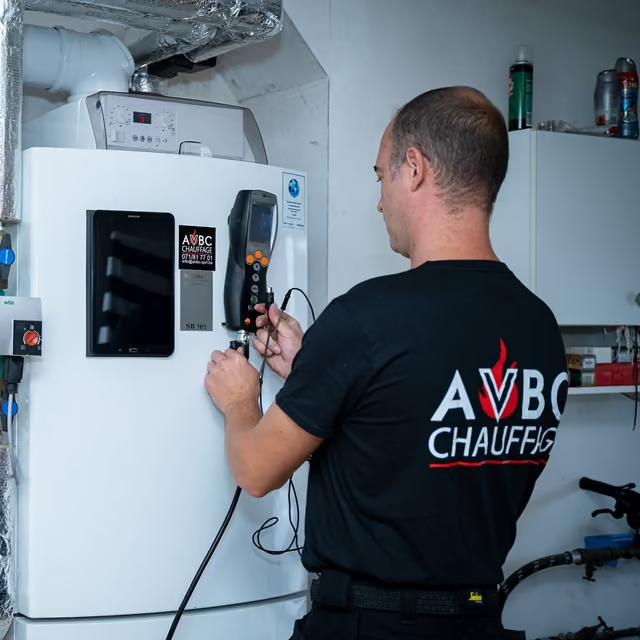
For a concrete example, the AVBC Chauffage case describes a WordPress/Elementor redesign, service pages, photography and SEO work. It illustrates service organisation and contact routes, without proving an increase in leads. Your proposal then defines deliverables, responsibilities and follow-up arrangements: content updates, technical maintenance and SEO support are distinct tasks agreed according to your needs and available resources.
Where your website becomes a true business engine
Before preparing your SME website, we review your services and customer questions. Your team identifies available content, its reviewers and the enquiries to handle. These points help select useful pages and define scope, budget and project stages around your resources and the tasks your team will retain.
We sketch journeys useful to your customers: understanding a service, viewing completed work or preparing an enquiry. Menus, links and calls to action make those choices visible in the designs. Your team reviews information and contact routes before integration, with screen formats and approval stages agreed for the project.
Technical choices depend on content, features and access to manage. We review the CMS, media and hosting needs before defining the selected configuration. Backups, updates and interventions need assigned responsibilities; project checks do not replace technical monitoring after launch or remove every operating risk.
We organise titles, content and internal links around services and searches relevant to your activity. Local pages describe actual service areas and connect to available examples. Search and visit monitoring can then be scoped in the quote to observe discovery and prioritise useful adjustments.
Pages should answer practical customer questions with current information: services, conditions, examples and contacts. We identify available copy and visuals alongside material still to prepare. Your team’s publishing tasks, access rights and any training are defined around the selected tools and the responsibilities retained after launch.
If monitoring is selected, we define useful indicators, access and tools: searches, visits, pages viewed or enquiries received. Configuration, consent, reports and review frequency are scoped in the quote. Findings help prioritise further work; they do not by themselves prove a sale or a return on investment.
Beyond creating your SME website, we help you go further with services designed to support your growth. Whether you need a website audit, digital marketing, a Google Ads campaign, improved social media management, or a photo and video shoot to showcase your activity, we review useful services, costs and responsibilities to define in the quote. You can also strengthen your presence and build your image through logo design or custom web design.
Needs to clarify vary across sectors: real estate agencies, accounting firms, medical professions such as dentists, associations and nonprofits, craftsmen, local retailers… Each field has its own requirements, clients, and codes. We scope your content, messaging and selected digital strategy services so your website speaks the language of your industry, inspires trust, and meets the expectations of your audience.
Behind the scenes of a professional website built step by step
We prepare a brief your team can use: services to present, intended customers, common questions, available content and responsible people. The page structure and designs show where information belongs and how visitors reach the contact route. A redesign also requires reviewing useful pages and existing URLs. Expected content and approvals are identified before integration, so stages can be organised around your resources and the choices defined in the quote.
We then integrate approved material and check the agreed journeys: reading services, navigation, links and form behaviour on selected screen sizes. Observations guide corrections and publication approval. Access handover, CMS use and responsibilities after launch are defined with you. Training, enquiry follow-up, maintenance and analytics are scoped in the quote; consent and the tools used affect the data available. Your team knows which information it will keep current and which tasks need separate support.
For small businesses, a website isn’t a luxury ; it’s the doorway to every new opportunity.
Anita Campbell
FAQ
What budget should be expected to develop an online presence suited to an SME?
Budget depends on pages, content, languages and selected features. A redesign also requires reviewing the current site, access and information to retain. Following that discussion, the quote describes deliverables, approvals and services, alongside the material your team must supply.
Compare costs after launch too: hosting, licences, maintenance and external services. Writing, translation, photography and training are defined case by case. A familiar CMS alone does not guarantee a low cost; the choice depends on your uses and the tasks your team or providers will manage.
Can I manage updates myself after the site goes live?
You can manage selected updates with a CMS and suitable access rights: editing copy, posting news or replacing an image, depending on the site’s features. We identify your team’s tasks. Training, supporting material and handover are defined in the quote.
Content and technical maintenance involve different responsibilities. Backups, updates and interventions may need separate support. Agree who handles them, required access and support arrangements; editorial access does not automatically cover every operation.
How can the protection of users and data be ensured?
Website protection involves measures and responsibilities: restricted access, updates, backups and configuration of the selected tools. HTTPS protects data in transit; it does not secure the entire site on its own. Planned checks and interventions need defining.
Agree who manages access, checks backups and responds to problems. Information requested through forms should have a defined purpose. No measure removes every risk; technical support and requirements specific to your activity need their own scope.
Is it possible to add a shop or a sales module at a later stage?
Adding a shop can be reviewed after launch, depending on the CMS, data and existing connections. Define products, orders, delivery and payment arrangements, then check tool compatibility before choosing an implementation.
This change needs its own scope and quote: content, configuration, tests, access and responsibilities. Adaptation or migration may be required; adding commerce should not be presumed simple, included or free of further costs.
How long does it take to create a professional online presence?
Timing depends on pages, languages, content and features, as well as access and people available for approval. A redesign may involve data retention and redirects. A target date is discussed after scoping; there is no standard schedule suitable for every SME website.
We organise stages and expected feedback: structure, designs, integration, tests and publication. Identify available content and decisions to prepare. Another feature or a late approval can affect the schedule, so responsibilities are agreed with your team.
How can I tell whether my investment will be profitable?
Profitability is assessed through observed costs and results, according to the project’s goals. Define useful enquiries, their quality and any sales attributable to the website. Visits, clicks and submitted forms represent different stages, rather than the same commercial result.
Compare observations over a suitable period, considering context and measurement limits. A quote or testimonial does not prove a future return. Monitoring can be scoped with you, but no sales level or payback period is guaranteed by creating the website.
How can a very small business successfully carry out a web project without prior expertise?
Start with information your team already knows: services, customers, common questions, completed work and contacts. Gather available copy, images and access. We help define pages, useful features and decisions to approve before establishing the project scope, without requiring you to choose every tool in advance.
Choose a contact person and reviewers to coordinate feedback. The quote distinguishes supplied content from work to deliver, then access and responsibilities after launch. Training and assistance depend on your needs; support still requires your team to provide accurate information and approve decisions.
Why does a small or medium sized organisation benefit from developing an online presence with the help of experts?
A small team often needs to identify priorities and choose tools with limited time available. We review your services, customer questions and content to prepare. That discussion helps organise pages, contact routes and decisions around your resources, so the project has a practical starting point.
Support clarifies what your team supplies and approves: copy, images, access and feedback on designs. Domain registration, hosting, writing and selling features are considered for your project. The quote distinguishes selected deliverables and responsibilities after launch; individual services should not be presumed included.
How do you choose the right CMS between WordPress, a hosted CMS, or another tool?
Start with the tasks to perform: editing a service, publishing news or managing products. WordPress and hosted solutions divide hosting, updates and customisation differently. The choice depends on required features, existing tools and the people who will administer the website and maintain its content.
Compare the total cost, access rights, content export, licences and required connections too. We review these points against your budget and resources. A demonstration of everyday tasks helps assess the intended use before training, supporting material and technical assistance are scoped in the quote.
What features can I integrate from the start?
Start with actions useful to your customers: checking a service, viewing a product, reading completed work or sending an enquiry. News, testimonials and forms are selected around available content and the people who will keep it current.
Sales, bookings or connections to another tool require data, access, recipients and tests to be defined. We review compatibility, costs and administration with you. The quote describes selected features; a later extension may require adaptations and a separate budget, rather than being automatically included.
How can an SME strengthen its digital footprint within its region?
Explain your services, contact details and actual service areas clearly. Local pages should answer practical questions, using documented examples and links to relevant offers. Reviewing searches helps choose useful topics for people looking for your services.
Depending on your activity, a complete Google Business Profile and consistent contact details can support that presence. Access, updates and monitoring need defining. Neither a profile nor a CRM tool guarantees a local search position or new enquiries.
Why is choosing a domain name crucial?
A domain helps customers recognise your activity and find your website or email addresses. Choose a readable name that is easy to share and consistent with your brand. Check availability and any rights requiring review before registration, especially when considering several variants, languages or markets for your website.
Agree who holds the domain, who has access and who handles renewal. The quote can distinguish registration, hosting, email and any transfer. Keeping these details helps avoid lost access during a redesign. A domain supports a coherent presence, but its name alone does not determine search rankings, traffic or the enquiries your website receives.
What turns a website into a growth tool
An SME website should explain your services and help customers prepare an enquiry. We organise the project around available content, your team’s tasks and the approvals needed. These points define deliverables and responsibilities, alongside the features and support agreed in the quote.
-
Business priorities : We identify services to explain, customer questions and pages to prepare. Decisions use your working arrangements and available content.
-
Understandable journeys : Structure and mockups show how visitors find a service, examine completed work and reach the contact route. Your feedback helps adjust presentation before content integration.
-
Selected features : A form, catalogue or booking feature addresses different needs. Functions, limits and dependencies are reviewed before choosing tools and defining the work included in the proposal.
-
Explained technology choices : CMS, extensions and integrations depend on content, access and tasks after launch. Costs and maintenance requirements need defining with the people responsible for the website.
-
Relevant search work : Content, titles and links consider searches related to your activity. Observations after publication do not guarantee rankings, customer numbers or sales from the website.
-
Scoped security measures : Access, updates and backups require defined responsibilities. Checks depend on the chosen tools; no individual measure removes every risk or replaces ongoing technical work.
-
Prepared CMS use : We identify the tasks your team will perform and suitable access rights. Training, supporting material and assistance are scoped in the quote around the people involved.
-
Content and approval : We distinguish copy and images you supply from writing or photography services to plan. Responsible reviewers and the material needed for integration are identified.
-
Defined monitoring : Indicators, tools, consent and reporting frequency are agreed if monitoring is selected. Enquiries, visits and sales remain different observations requiring their own interpretation.
-
Organised collaboration : Contacts, stages and expected feedback are agreed with you. Requests after launch, response arrangements and any associated costs are defined within the support selected.
Your SME project is defined through content, features and responsibilities, with services and checks agreed before launch and tasks identified for your team.
The AVBC Chauffage case describes a WordPress and Elementor redesign, service pages, photography and SEO work. It helps you examine service presentation and contact routes without a measured increase in enquiries. Compare these choices with your content and organisation; the case does not show that every project needs the same features or working arrangements.