


Digital support that helps grow the reputation of your gardening profession
Your gardener website should explain the services you offer and work you can publish. Maintenance, creation or landscaping: content is selected around your actual activity. We organise photos, descriptions and contact routes with a readable structure and copy to prepare for visitors. Working areas, content access and update tasks are defined with the people who know your projects.



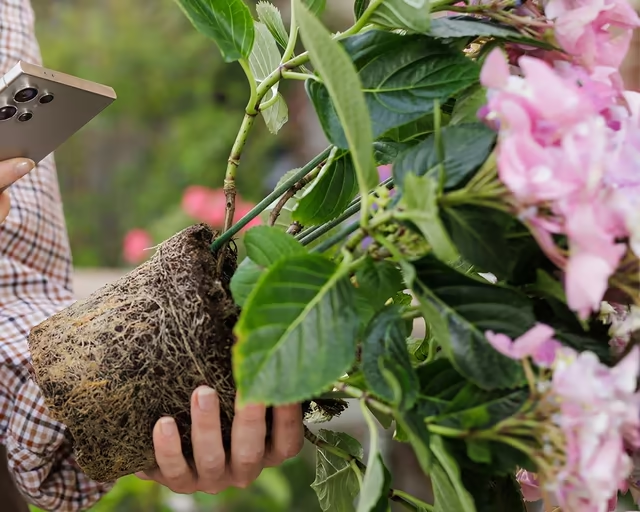
A photo gallery becomes useful when visitors understand the work shown and the corresponding services. We prepare content with you: maintenance, creation or landscaping according to your activity, service areas and practical details. Descriptions give context to work you can publish. They help distinguish your interventions instead of placing images side by side without explanation or a connection to the services your team offers.
Design for selected screens organises this content, services and contact routes. Titles and links between pages follow visitor questions and relevant searches. Galleries, forms, publishing features and connections are described in the quote with their limits. Writing, photography, training, hosting and maintenance are defined around available resources and tasks your team retains, including the information and approvals needed to keep pages current.

Bring your landscaping universe to life online
Your website explains the services you offer and work you can show. We gather photos, descriptions and practical information with you. Maintenance, planting or creation: content reflects your activity, with details about the areas served and the people visitors can contact for an initial discussion.
Projects sit within a structure connected to services and contact routes. We prepare captions and cues that give images context: the initial need, work carried out and details useful to readers. Content to supply, administration permissions and approvals are defined with your team before integration. The presentation follows material you can publish and information the people responsible for updates can maintain.
Visibility and impact at the heart of your online presence
Site preparation starts with services and the places where you actually work. We organise descriptions and project examples so readers can understand your activity. Headings and links between pages follow that information and the questions raised before an initial enquiry.
We then examine routes to services, projects and contact in the mockups. Each page should offer detail of its own, based on available, reviewed content. Search optimisation covers the elements selected in the project. Data observed after publication helps examine searches and visits, while distinguishing them from enquiries your team receives and handles. The scope identifies the content, functions and approvals needed before launch.
A digital strategy crafted for garden experts
A garden project becomes easier to understand when images explain the need, the work and the relevant services. We prepare descriptions with you that put each project in context. Services mentioned remain those your business provides; selected examples are authorised for publication.
This preparation informs service pages and links to your projects. Headings, descriptions and navigation cues help distinguish the content. We clarify who supplies information, who reviews it and how it will be updated. Search choices form part of this editorial work, with actions and approvals defined before integration, following your actual services and the resources your team can provide.
An experience designed to guide your visitors naturally
We prepare journeys for finding a service, examining a project and making contact. Images, headings and buttons are organised around those steps. Practical information explains service areas and enquiry arrangements according to how your business works and the requests your team can handle.
A gallery, form or publishing function is chosen for identified uses and available content. We define fields, recipients and expected messages, then check selected journeys on the agreed formats. Mockups and your approvals inform adjustments to this structure. Appointment booking or a project estimate needs its own scope, rather than being presumed part of every contact form or gardening website.
An online presence for the screens your clients use
Photos and descriptions need a readable place on the selected screen formats. We prepare mockups using your content to review text size, captions, menus and contact routes. Presentation choices follow available images and the questions your visitors need answered before an enquiry.
Integration considers media weight and the journeys to check. We review agreed mobile and desktop layouts, links and fields, then address observed points. Labels and keyboard navigation form part of the selected checks. Additional requirements and technical support are defined in the quote with an explicit scope, so your team can understand the formats reviewed and responsibilities after launch.
Improve, refine, and progress continuously
Useful measurements depend on your services, content and the enquiries you want to understand. If analytics tools are selected, we define the necessary events and consent settings. Pages viewed, visit sources and contact use provide different information from enquiries actually received by your team.
Data review combines with your team’s feedback and changes in your activity. It can inform adding a project, updating a service or examining a journey. Tools, review frequency and interventions are specified in the quote. Priorities and available content guide the actions, rather than a promise of regular growth. This makes follow-up a defined piece of work with responsibilities your team can review.

WHY GROW YOUR ONLINE PRESENCE WITH QREATIVE?
A gardener website needs practical information about services and visible work. We prepare a structure connecting your services, working areas and projects authorised for publication. People who know the activity approve descriptions, photos and contact details. Visitors can then examine what you offer and prepare an enquiry suited to the work your team can handle, using information grounded in your actual activity.
The Ferrard landscape architect case documents visual presentation work, a website, photography/video and social media communication. It can inform how you plan images and their organisation. This is a landscape architect, whose services are distinct from those of every gardening business; the case does not document a measured gain in prospects or commercial results.
Content and administration choices are defined before implementation: who supplies images, publishes completed work and receives enquiries? Domain registration and hosting, writing, training and monitoring need an agreed scope. We describe deliverables and responsibilities without presuming that a gallery or CMS removes the work of preparing, reviewing and updating your content.
The roots of a digital presence that helps your business grow
We gather the services you offer, the areas you work in and the projects available to show. Your working habits and clients’ questions guide the information to present. Maintenance, planting or creation are described according to your actual activity, with content to supply and reviewers identified before publication.
The structure connects your services, illustrated projects and contact options. Visitors can examine the work involved, your service area and the information needed for an enquiry. We prepare menus and labels around these routes; mockups then help your team review journeys according to the services and content available, with practical details suited to the way your business works.
Technical choices follow the content and functions selected for your work. A project gallery, service pages or a form each has needs to define. We examine image weight, layouts and loading on the agreed formats. The CMS, hosting and update responsibilities are chosen according to the project scope. We also agree who can publish new project photos and service updates.
We prepare pages based on your services and the areas actually served. Titles, descriptions and links connect services, examples and contact options. Local content provides details specific to your activity; its usefulness comes from those details rather than repeating the same copy under several town names.
Copy presents your services through examples you can document. Work photos include useful context: the initial need, the intervention carried out and what the reader can see. Services mentioned match your actual activity; advice or seasonal publications are prepared according to available content and approvals, with your team reviewing the details before they appear on the site.
Support after launch can cover a new project, a service to clarify or an enquiry journey to examine. Feedback from your team complements any measured data, with appropriate consent settings. Tools, review frequency and interventions are defined in the quote; actions follow your needs and available content, with responsibilities agreed for the material to supply and the changes to review.
Complementary services can prepare the presentation and distribution of your content: paid search advertising according to your budget, a visual identity suited to your activity, community management around publishable work or Google Ads campaigns. Content, deliverables, approvals and measurements are defined for each service according to the resources your team can provide.
Offers for an accountant, real estate agency, nonprofit, trades business or SME provide other presentation examples. Your gardener website follows your actual services, audiences and authorised projects. We select tools and ongoing tasks useful to that activity; these complementary services are not automatically included in creation.
A method that nurtures your project from the first exchange to going live
The initial discussion covers services, working areas and available projects. We identify publishable images, descriptions to prepare and approval owners. Structure and designs show how services connect to examples and contact routes. Required content and expected feedback are defined before integration around your team’s resources.
Development implements selected features and access: galleries, publishing or forms, including their fields and recipients. Checks cover agreed journeys, links and screen formats. We prepare publication and handover tasks. Training, maintenance and future changes are scoped in the quote; new photos or services also need approved information and people available to keep the content current.
Think of SEO like a garden. You need to nurture it, give it time, and let it grow naturally.
Matt Cutts
FAQ
Why is a website for a gardener useful today?
A website can explain your services and service area, using photos of work you are authorised to publish. Maintenance, planting or creation: the services shown reflect your actual activity rather than treating different garden professions as interchangeable.
We organise completed projects and contact information so readers can understand what you offer and prepare an enquiry. A gardener, a nursery business and a landscape architect may have different needs. Structure and content are prepared around your services, audiences and available material, with descriptions your team can review and keep current.
What budget should I plan for creating my gardener website?
The budget depends on pages, content and functions to deliver: service presentation, project photos, a form or a catalogue. The quote identifies what your team supplies and what requires production or integration.
Changes can be considered in stages, according to priorities and the selected solution. A shop or visualisation tool needs its own scope. Domain, hosting, licences and maintenance are distinguished from creation, giving you a view of recurring costs and responsibilities after launch rather than assuming every feature will be included.
How should you present your work as a gardener on a website?
The homepage should explain the services actually offered and areas served. We prepare descriptions with you: maintenance, planting, creation or other work according to your activity. Contact details and enquiry arrangements should be visible and suited to your organisation.
Project photos and their captions then add context: the need, the work carried out and details useful to the reader. Examples are selected from material authorised for publication. We distinguish your trade from other garden professions, without adding services you do not provide or assigning a role that does not describe your business.
How does the online gardener quote module work?
A form can collect details needed for an initial enquiry: municipality, type of work and a description of the need. Fields and any attachments are selected according to the information your team can handle.
We define recipients and the response journey, then check the selected functions. Receiving an enquiry does not automatically produce a price: site visits, feasibility and costing still need to be organised with your team. The form supports the discussion rather than replacing those decisions.
Can a plugin specific to landscapers be integrated into my website?
A specialist tool can be assessed through its intended use and available connection options. Linking to existing software, displaying an image and providing an interactive visualisation involve different work and dependencies.
We review access, formats, licences and supplier constraints before proposing an integration. Responsibilities, testing and maintenance needs are described in the quote. A 3D feature or design application is not part of every gardener website; its use needs review.
How can I develop my online visibility as a gardener?
We work on services, areas served and content organisation. Headings and descriptions should help readers understand your activity and find useful pages, with project examples you are authorised to publish.
Preparation considers searches relevant to your actual services, without listing places where you do not work. Results are then examined through available data, with visits distinguished from enquiries. This work does not guarantee a Google position or a volume of requests.
What are some useful module examples for a gardener website?
A service presentation, a contextualised gallery and a form may cover an initial scope. The choice depends on what visitors need to know and what your team can prepare and keep current.
A blog, newsletter or catalogue are options to assess separately, including who will manage them and how often they need updates. We compare their usefulness with the work they require. A feature is selected when it addresses an identified need and fits the agreed scope, rather than being included simply because it is technically possible.
Can I manage my gardener website myself after it goes live?
This depends on the selected solution and agreed permissions. We identify the elements you want to update: services, photos, contact details or completed projects. Administration screens should suit these tasks and the people handling them.
Access, explanations and any training are defined in the quote, together with updates assigned to a provider. Managing content does not mean taking responsibility for all technical maintenance. We clarify which changes your team can make.
Can a provider add a shop or a sales section?
A shop can be assessed when you have products to sell and a way to process orders. Catalogue, ordering, payment and delivery or collection involve decisions beyond a presentation website.
We define products, data and required tools with your team before pricing integration. Sales content, applicable conditions and responsibilities need preparation with the appropriate people. The feature does not guarantee a level of sales; its scope follows the operation you can support.
How can you find inspiration before creating your website?
Start with photos of your work and questions from customers. They provide a practical basis for pages, captions and information useful before contact. Visual references can then help explain presentation preferences and the kind of material you want to show.
We compare those references with your services, identity and available content. The Ferrard case illustrates work for a landscape architect; it does not define a shared model for every garden trade. The selected choices remain suited to your own activity.
What gives strength to your professional presence
Every gardening business, according to its actual services, deserves a precise approach that respects its pace, management style, local market, and the questions raised by your visitors. At Qreative, we implement a method that simplifies every aspect and helps you move forward with confidence, without unnecessary complexity.
-
Solid vision: Careful listening allows us to identify your priorities, your city, your service area, and the points that truly matter to you, in order to establish a coherent and realistic foundation.
-
Attractive structure: We organise a harmonious layout that facilitates essential clicks, highlights your skills, and improves readability, without visual or technical overload.
-
Adapted options: Whether it involves a WordPress theme, a dedicated module, or a more specific requirement, we select the most relevant option for your activity.
-
Local positioning: Texts, meta data, descriptions, keywords… we describe your services and the places you actually serve, with useful cues for relevant local searches.
-
Careful communication: We select authorised photos, captions and reviews with you to explain completed work and help visitors understand your activity.
-
Defined hosting: Hosting, backups and maintenance needs follow the website, with costs, access and responsibilities clarified for the period after publication.
-
Effective sharing: We make it easier to distribute your content on social networks, from blog posts to news updates, so you can easily publish your topics, seasonal advice, and new developments.
-
Simplified management: Editable content, permissions and necessary explanations are defined with the people who will handle updates.
-
Personalised support: Stages, contacts and interventions after launch are specified in the quote according to the support you choose.
-
Premium options: Modules, integrations and interactive elements are assessed through their use, cost and the tasks needed to operate them over time.
In conclusion, our approach brings together precision, attentive listening, and passion to consolidate a structured foundation that sustainably supports your activity, from green space maintenance to garden planning, through every season, with reviewed content and clearly assigned ongoing tasks.
The Ferrard landscape architect case shows website, visual and digital communication work. Examine the use of images and presentation of the activity. Landscape architecture is distinct from garden maintenance; consider choices useful to your content without assuming identical services or a measured commercial gain.