

Let’s create a website that makes people hungry before they even walk in
Your restaurant website should give access to menus, opening hours and practical details. We organise photos, the presentation of your cuisine and contact options around the way your establishment works. SEO draws on consistent information and useful pages. Booking, ordering or payment are examined according to your tools, your team’s tasks and the functions selected in the quote.


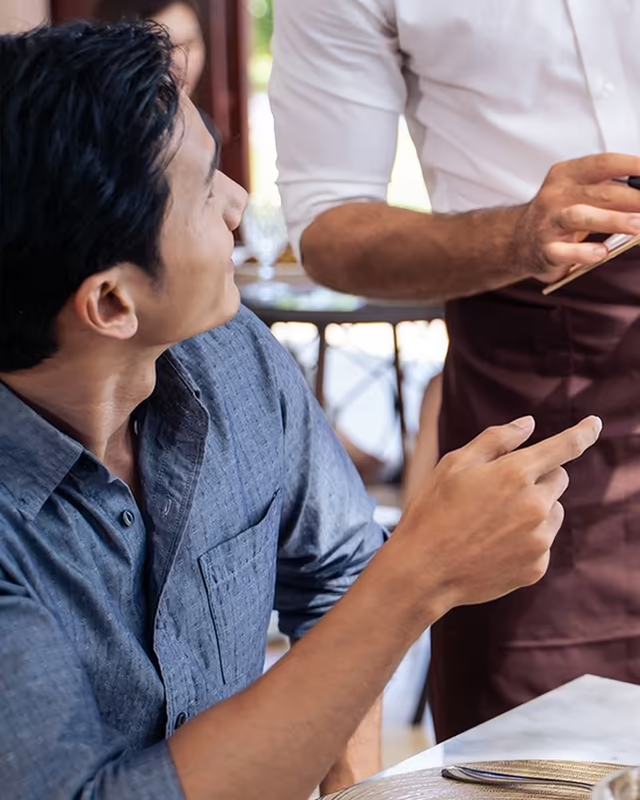
Visitors should be able to examine your menus, opening hours and visiting arrangements before contacting you. We prepare a structure separating your cuisine, access information and ways to get in touch. The design uses your photos and visual identity to present the establishment. Content is prepared with the people who know the menus, availability and information that needs updating.
Booking or ordering functions are scoped around your organisation: existing tools, recipients, confirmations and handling changes. Sending a request does not automatically confirm a reservation. Photos and videos can be a separately defined service. Hosting, access, licences and any fees charged by an external provider are specified in the quote, with responsibilities for content and work after launch. Your team can review these decisions before functions are integrated.

A website that expresses your culinary talents
Presentation begins with your menus, opening hours and visiting information. Photos, copy about the cuisine and visual reference points help prepare the establishment’s pages. We agree on available content, the people supplying it and required approvals with your team. Seasonal or changing information forms part of this preparation.
The domain, editor and hosting are examined around needs and existing tools. Menus, access and contact details are organised for browsing; booking or ordering needs its own scope. Recipients, messages, confirmations and possible costs are defined in the quote. Sending a request does not automatically confirm a table booking.
An online presence built around your offer
Pages are organised around visitors’ questions before coming: what cuisine is available, when are you open, where is the restaurant and how can they contact you? We prepare those reference points with menus, photos and information your team can approve. Presentation reflects actual services and practical conditions before an enquiry.
Routes to menus and requests are examined in mockups. If a booking tool is selected, its steps, access and dependencies are defined. Your team agrees how messages are received and handled. Functions and possible fees are scoped in the quote; design and publication do not guarantee a number of bookings or new customers.
Clear menus and practical information
Menus and practical details need reviewed content and identified owners. We organise dishes, opening hours, access and contact information supplied by the restaurant. Photos and copy about your cuisine are selected with your team. Menu changes and closures need people to prepare and approve the information before it appears online.
Local SEO preparation draws on consistent information, with useful titles, descriptions and links for the selected pages. Areas and services reflect your actual activity. Writing, publishing and follow-up tasks are defined in the quote. Results are then observed with agreed tools, without promising higher rankings or growth in reservations.
User experience at the heart of your online restaurant
Journeys distinguish menu browsing, visiting details and ways to get in touch. We prepare mockups and labels around expected tasks. Presentation choices are reviewed with your team to identify missing information and the place of useful links. Booking or ordering functions follow the way the restaurant actually works and handles requests.
Checks before publication cover links, layouts and agreed steps. A message, confirmation or cancellation has rules and recipients to define. The establishment approves those choices and the copy shown to visitors. Further testing or measurement may be scoped in the quote; improved conversion does not automatically follow from an interface change.
A design for the chosen screen formats
Menus, opening hours and contact details need a presentation for the agreed screen formats. We examine available copy, photos and documents with your team. A web menu and a downloadable document require choices about reading and updates, based on the content you supply and the people who will maintain it.
Mobile and desktop checks cover readability, links and selected journeys. Image dimensions and weight are reviewed for their placements. You examine information and approve adjustments before publication. Accessibility tasks and future changes are defined in the quote, without promising a flawless display on every device.
Plan measurement and future content updates
Follow-up depends on questions useful to the establishment: menu views, access to hours, contact clicks or request steps. Possible tools are examined alongside available data and consent settings. Analytics installation or Search Console support is not automatically included in website creation; access and contributors’ tasks also need to be agreed.
Indicators, periods and follow-up work are defined in the quote. A page view or click does not necessarily represent a confirmed booking. Findings may help select information to update or journeys to examine. Your team identifies who prepares, approves and publishes menu or hours changes, without a guaranteed increase in customers.
Digital excellence at the service of your establishment
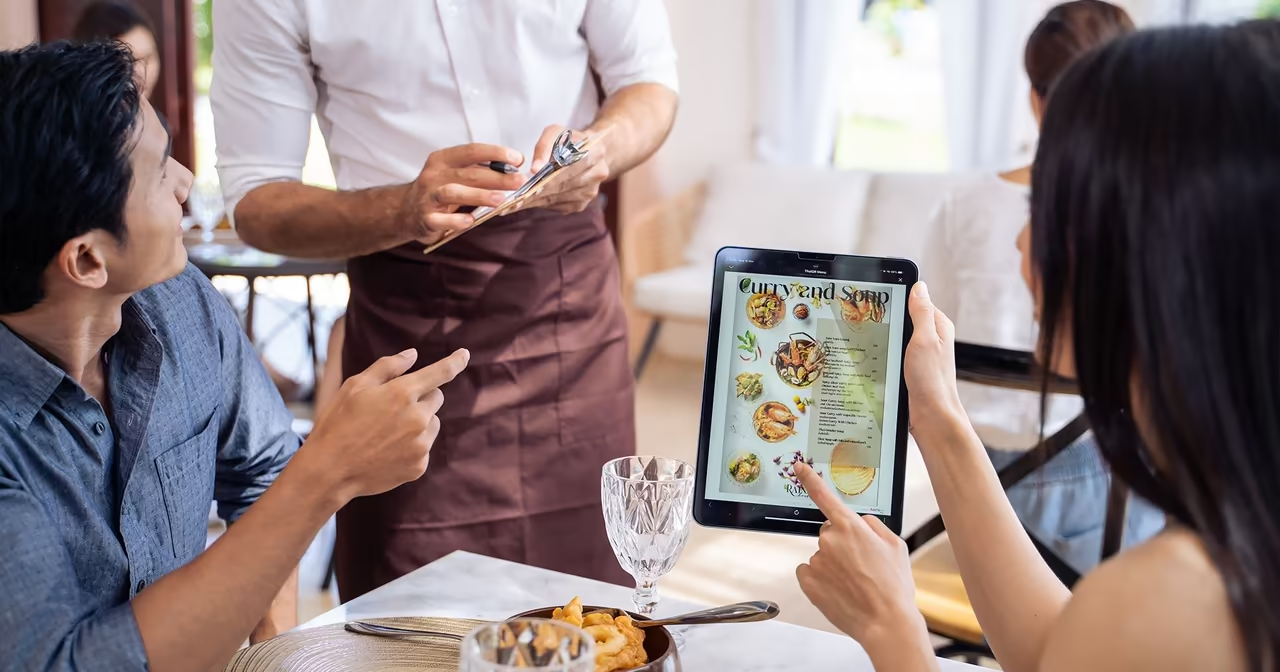
We start with how your restaurant works: service on site, opening hours, access and the enquiries to direct. Available menus, photos and contact details guide pages and journeys. You identify who can review information, supply changes and approve the presentation before publication, alongside the practical details visitors need.
Development choices depend on selected functions and your tools. WordPress integration, a form or a connection to a booking platform needs a scope: access, data exchanged, messages and your team’s tasks. Any subscriptions or commissions charged by a third party are examined with these dependencies and the way requests will be handled.
Checks before launch cover links, agreed layouts and selected functions, with defined expectations. Your team approves content and enquiry handling arrangements. Copywriting, photography, training, hosting and maintenance are specified for the project. Menu updates, closures or changes to opening hours also have identified owners, with decisions about who prepares, reviews and publishes the information.
The digital recipe that helps your restaurant grow
We start with what visitors need before coming: the food on offer, menus, opening hours, address and contact options. The discussion identifies available content, frequent changes and specific requests. We prepare a page structure around those tasks, with content to supply and functions to examine for the restaurant before choosing the tools for the project.
Mockups show how to read the menu, find opening hours and reach the selected contact option. We review those journeys with you, considering regular guests and people discovering the restaurant. Labels, dish descriptions and button placement are checked before integration. Any booking journey is defined around the chosen service, its available options and the information needed from visitors.
Photographs, menus and required scripts are reviewed during integration. We prepare image dimensions, document formats and loading choices for the agreed pages. Checks observe display and resource weight on the selected screens. Hosting and external services are chosen around the restaurant’s workflow, the planned functions and the scope of the project.
Pages describe your food, location and information useful before a visit. We work on their titles, descriptions and links, then review the contact details to display. A Google listing or social campaign can complement this work according to your needs. Access, content, target areas and budgets are scoped separately, along with the details your team will keep up to date.
Menus, photographs and the tone of your introduction shape the website’s identity. We bring typography, colours and layouts together to connect the atmosphere of the venue with practical information. Mockups let you review dishes, distinguish opening hours and locate contact options. You approve the visuals and copy before they are integrated into the selected pages.
Changes follow the restaurant’s needs: a seasonal menu, exceptional opening hours or updated visiting information. We agree who supplies the details and who publishes them. Where measurement is planned, it answers defined questions such as menu views or contact clicks. Tools, reporting periods and interventions are organised around those questions and the agreed tasks.
Additional services are chosen around your content, audiences and the establishment’s resources. Graphic design may cover menu materials; digital marketing needs defined goals and actions. Visual identity and social media management have their own scope for creation, publication and approval. Content and usage permissions are prepared with the people involved, according to the materials available.
A showcase website may meet the need to present menus, access and contact details. Advertising campaigns or another function are examined around your needs, budget and reporting. Training and maintenance are planned in the quote, with the administration tasks you keep. Changes to menus, opening hours or booking arrangements then have identified owners for preparation, review and publication.
The art of turning an idea into a fully realized digital project
We gather menus, opening hours, photos and access information, then define the enquiries the website should direct. Who supplies the menu, approves it and publishes changes? These choices prepare pages and mockups. We examine existing tools and booking, ordering or payment needs, with content to supply, languages and the practical constraints of your team’s use of the site.
Selected functions are described before integration: recipients, access, confirmations, possible costs and handling changes. Approved content is then integrated and journeys checked on the agreed screen formats. A booking or order follows the processing rules agreed with the establishment. Before publication, you review information and approve the checks. Training, maintenance and future interventions are scoped in the quote, with the tasks your team keeps and dependencies on the services selected for the project.
In today’s world, your food isn’t the only thing people taste : they also taste your online presence.
Jamie Oliver
FAQ
How can a website support the way your restaurant works?
The website can gather menus, opening hours, access and contact options in a presentation specific to the establishment. Visitors can consult useful information before travelling or contacting you. Photos and copy describe your cuisine and the services actually offered.
We prepare pages and journeys around the way your team works: who supplies menus, approves changes and handles enquiries. Booking, ordering or payment are examined with your tools and team responsibilities. Selected functions and support are scoped in the quote; a website does not on its own guarantee more visitors to the restaurant.
What should I plan for online ordering?
Online ordering requires defining products, availability and processing arrangements: collection, possible delivery, payment and expected messages. Your team’s workflow and existing tools guide the choices.
We examine functions, access and dependencies before integration. Third party costs, confirmations, changes and journey checks are scoped in the quote. An order follows the establishment’s agreed rules and remains distinct from a table booking.
How can table booking work through my restaurant website?
The setup follows opening hours, availability and confirmation rules. We define the information requested, recipients and how your team handles a request. Sending a form does not automatically reserve a table.
Selected messages and journeys are checked against agreed expectations. Changes, cancellations, access and dependencies on an external tool are scoped in the quote. The setup does not guarantee the absence of duplicate bookings.
Is a large website budget required to get started?
The budget depends on pages, content and selected functions. We distinguish presentation information, media preparation and any booking, ordering or payment features considered for the project.
The quote sets out services, responsibilities and dependencies: licences, hosting, external tools and work after launch. Your retained tasks are identified. This helps review priorities and planned costs, without stating a budget suited to every project.
How can the website reflect my customers’ habits and needs?
The needs to examine are practical: reading menus, checking hours, finding access or contacting you. Booking and ordering are selected around your workflow and the information needed to handle requests.
We organise pages, labels and contact options around these uses. Photos and copy provide reference points for the establishment. Mockups and checks on agreed formats help your team approve journeys before publication.
What should I prepare before creating my restaurant website?
Gather menus, opening hours, contact details, access and authorised photos. You can also identify services offered and the enquiries the website should direct, alongside the tools your team already uses.
We define content to supply and the people approving it, then the project’s pages and functions. Possible costs, access and update responsibilities are specified in the quote. This scope prepares mockups and approvals before publication.
Can I showcase my cuisine by updating the website I already have?
Feasibility depends on your current website’s structure, access and content. We examine existing pages, tools and what you want to present: photos, menus or information about your cuisine. This review identifies what can be reused and the changes to consider, based on the material available.
The scope describes content, mockups and checks needed before proposing a limited update or a wider redesign. Material to supply, dependencies and approvals are agreed with your team. Training and work after launch can be planned in the quote according to the selected tasks; retaining everything without rebuilding is not promised before examination.
How can customer reviews and feedback appear on the restaurant website?
Several uses can be examined: presenting authorised testimonials, linking a review platform or collecting a request for feedback. They need different content and arrangements. We define what should appear, the data requested and the people responsible for reviewing and handling contributions.
The selected integration is described with access, publication rules and dependencies. Copy, links and messages are checked on agreed formats before approval. Possible third party costs, support tasks and interventions are scoped in the quote. An open contribution area does not guarantee that every response is authentic or that the restaurant’s reputation will improve.
How can I highlight my culinary specialities without overloading the interface?
We start with the dishes and information you want to prioritise. Available photos, descriptions and menu content are organised around visitors’ questions. Highlights reflect your actual offer, with the information needed before a visit or enquiry and the context your team can provide.
Mockups help examine hierarchy, spacing and routes to details on mobile and desktop. Your team reviews copy and approves visuals; checks then cover the agreed journeys. Menu and speciality changes have owners for preparing, reviewing and publishing content. An effect on enquiries does not follow from the design choice alone.
Can the website change as my restaurant’s activity evolves?
Changes are examined against new needs and the existing structure. Adding an offer, clarifying a service or switching tools involves different work. We check content, access and functions before proposing an update, extension or wider redesign.
Interventions describe dependencies, approvals and your team’s tasks. Changed pages and functions are checked on agreed formats before publication. Possible costs, licences and support arrangements are specified in the quote. This scope prepares changes without guaranteeing that every evolution avoids rebuilding or technical work.
The key ingredients of an effective and inspiring website
The website is prepared around how the establishment works: menus, opening hours, access, contact and handling requests. Design and technical choices follow those uses. Content to supply, people approving it and selected interventions are defined with your team through the following points.
-
Reviewing the activity: we gather menu information, services offered and existing tools to define pages and the enquiries to direct, using material your team can approve.
-
Presenting the establishment: photos, copy and visual reference points guide mockups. Hierarchy gives useful information a place before a visit or enquiry.
-
Selecting functions: booking, ordering or payment are examined against your workflow. Access, recipients and expected results need to be defined before integration.
-
Tools and dependencies: editor, hosting, licences and any external services are reviewed with their constraints. Costs and responsibilities are specified in the quote.
-
Local information: contact details, hours and areas concerned are reviewed with your team. Titles, descriptions and links are prepared without a guaranteed Google position.
-
Communication and content: social links and possible publications follow approved information. Campaigns and profile management have their own scope and tasks.
-
Preparing administration: people handling menus or hours are identified. Usage guidance and any training are defined around the tools selected for the website.
-
Handling requests: confirmations, changes and cancellations follow rules agreed with the establishment. Sending a message does not automatically confirm a booking.
-
Quote and approvals: pages, functions, content and checks are described with each contributor’s tasks. Required decisions are taken before the relevant stages of work.
-
Defining support: updates, maintenance and future interventions are planned around your needs. Frequency, costs and responsibilities are scoped in the quote.
Approved content and the establishment’s uses guide preparation. Selected journeys are checked before publication, with identified responsibilities for future changes to information and functions.
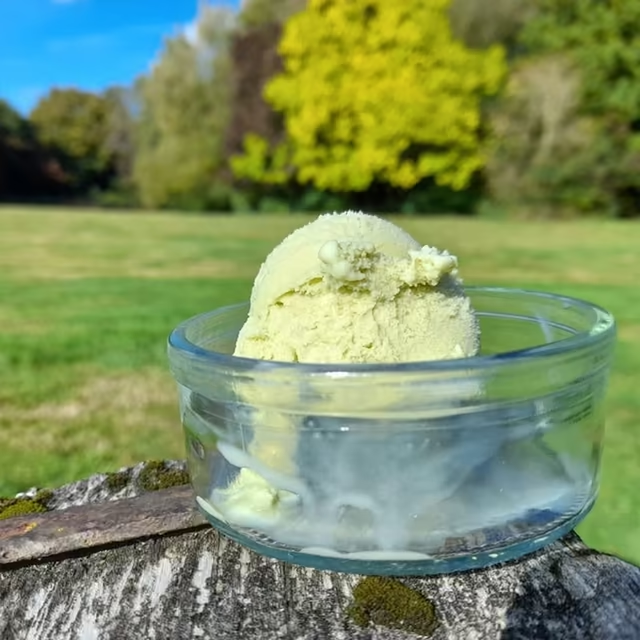
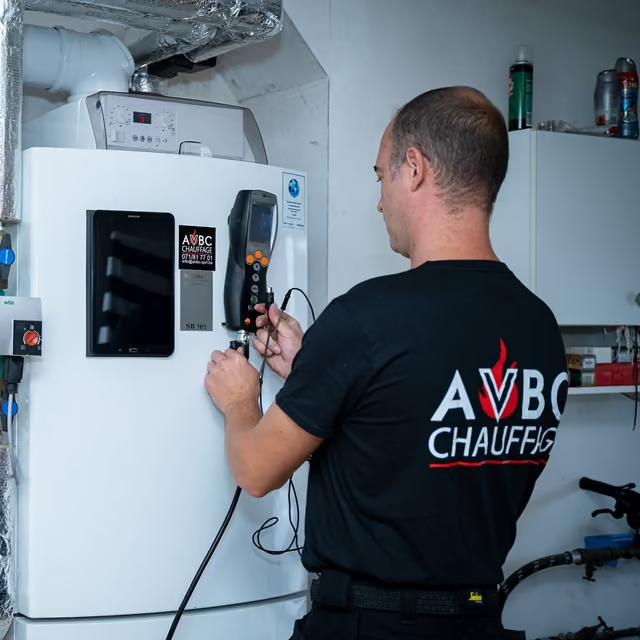
La Banquise de Denise, Prix Pellets and AVBC illustrate showcase, catalogue and service presentation choices for an artisan ice cream maker, a pellet seller and a heating business. For a restaurant, they offer reference points for photos, information structure and contact. Menus, booking and ordering are scoped around the way your establishment works.